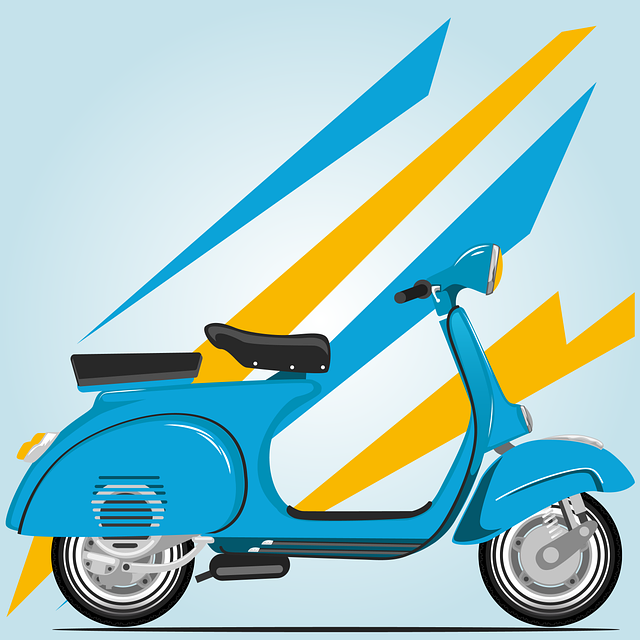
Yamaha PW50: A Comprehensive Analysis
Introduction
Welcome to an in-depth exploration of the Yamaha PW50, a versatile and influential entity that has left its mark on various sectors globally. This article aims to unravel the multifaceted nature of the PW50, offering readers a comprehensive understanding of its history, impact, and potential future trajectory. From its humble beginnings to its role as a driver of innovation, we will navigate through the key aspects that define this remarkable concept.
The Yamaha PW50 is more than just a product; it represents a paradigm shift in how we approach specific challenges, blending technology, sustainability, and economic viability. This analysis will delve into its core elements, international reach, and the intricate web of factors shaping its evolution. By the end, readers will grasp why the PW50 deserves a central place in contemporary discussions surrounding technological advancements and their societal implications.
Understanding Yamaha PW50: Unveiling the Core
Definition:
Yamaha PW50, at its essence, is a revolutionary hybrid power system designed by Yamaha Motor Company for various applications, from automotive to industrial uses. It combines a compact internal combustion engine with advanced electric motor technology, delivering efficient and clean energy.
Core Components:
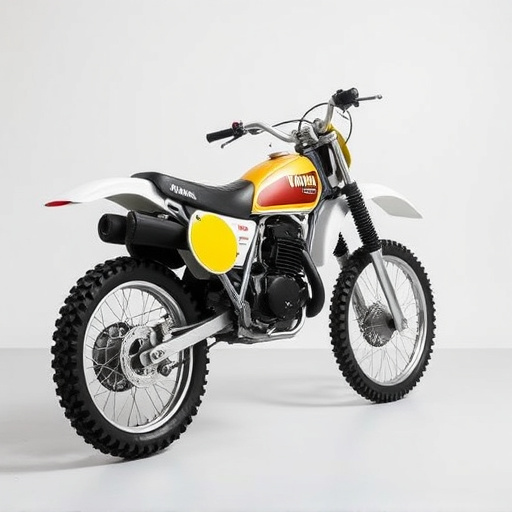
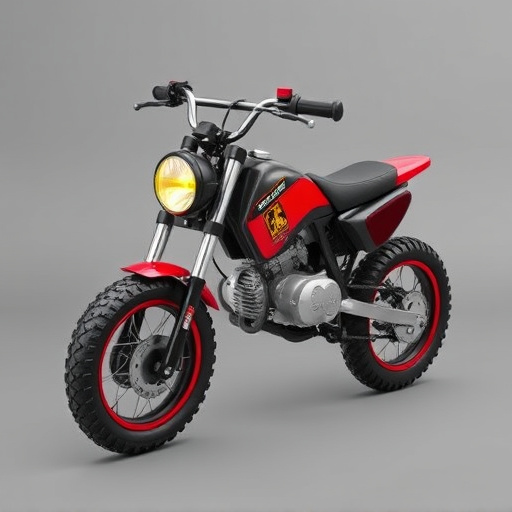
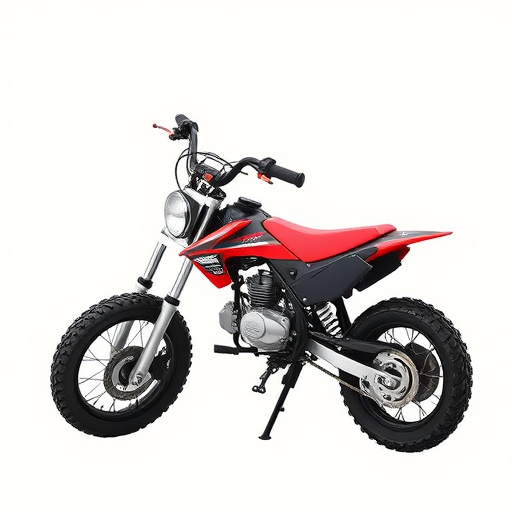
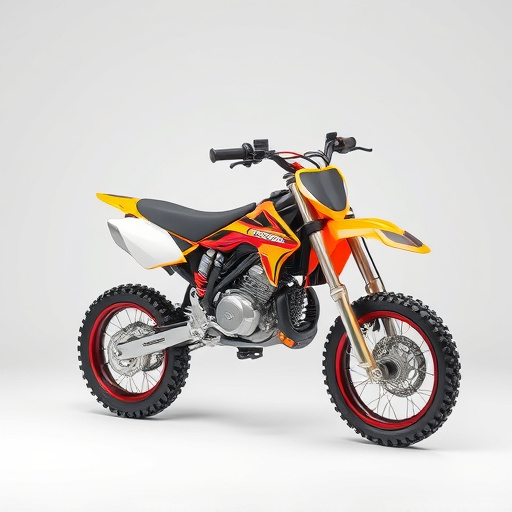
- Engine: The heart of the PW50 is a high-efficiency, low-emission engine, typically a 49 cc or 50 cc single-cylinder unit. Yamaha has engineered these engines to meet stringent environmental standards while maintaining robust performance.
- Electric Motor: Integrated into the system is a powerful electric motor, enhancing torque and providing seamless power delivery. This motor draws from a rechargeable battery, ensuring clean and quiet operation.
- Battery: A lightweight yet high-capacity lithium-ion battery stores energy, enabling efficient transfer between the engine and motor. Yamaha’s proprietary battery management systems optimize charging and discharging, prolonging battery life.
- Control System: Advanced electronics govern power distribution, ensuring optimal performance and fuel efficiency. This system allows for precise control of engine and motor operation, adapting to varying load conditions.
Historical Context:
The PW50 concept emerged in response to growing global demands for cleaner, more sustainable energy solutions. Yamaha, a pioneer in both automotive and motorcycle manufacturing, recognized the need for versatile hybrid power systems. Over several years, they refined their technology, leading to the launch of the initial PW50 models in the early 2010s.
Significance:
Yamaha PW50 is significant for several reasons:
- Environmental Friendliness: It offers a path towards reducing emissions and mitigating climate change impacts, especially in transportation and off-road applications.
- Energy Efficiency: The system’s hybrid nature allows for more efficient energy utilization, lowering fuel consumption and associated costs.
- Versatility: PW50 can be adapted to various sectors, from electric vehicles and power tools to backup generators and agricultural machinery.
- Innovation: Yamaha’s technology sets a benchmark for others in the industry, fostering competition and driving further innovation in hybrid systems.
Global Impact and Trends: A World-Wide Revolution
International Influence:
Yamaha PW50’s impact transcends borders, with its adoption and adaptations spreading across diverse regions. Each region embraces the technology with unique applications and cultural contexts:
| Region |
Applications |
Unique Adaptions |
| Europe |
Electric scooters, light-duty vehicles |
Stricter emissions regulations drive advancements in battery technology and motor efficiency. |
| North America |
Agriculture (dairies, farms) |
Focus on ruggedized systems for harsh environmental conditions; integrated with IoT for remote monitoring. |
| Asia Pacific |
Power tools, construction equipment |
Lightweight and compact designs cater to dense urban environments; high-output engines for demanding tasks. |
| Middle East |
Off-road vehicles, recreational activities |
Heat-resistant components for extreme desert conditions; ruggedized systems for adventurous tourism. |
Key Trends:
- Urban Mobility: In densely populated cities, PW50-powered electric scooters and light vehicles offer efficient, eco-friendly transportation solutions.
- Sustainable Agriculture: Farmers embrace hybrid power for machinery, reducing fuel costs and environmental impact while enhancing operational efficiency.
- Industrial Automation: In factories, PW50 systems drive robotic arms, conveyor belts, and other automated equipment, improving productivity.
- Remote Operations: For off-grid locations, backup generators based on PW50 technology provide reliable power, crucial for remote communities and disaster relief efforts.
Economic Considerations: Powering Growth and Systems
Market Dynamics:
The global market for hybrid power systems is experiencing rapid growth, driven by increasing environmental concerns and government incentives. Yamaha PW50 benefits from this trend, with its diverse applications appealing to various industries. The market’s growth can be attributed to:
- Stricter Emissions Norms: Governments worldwide are implementing stricter regulations on vehicle emissions, pushing manufacturers towards cleaner alternatives.
- Government Subsidies: Incentives and subsidies for electric vehicles and sustainable technologies stimulate demand for PW50-powered solutions.
- Consumer Awareness: Rising environmental consciousness among consumers encourages the adoption of eco-friendly products.
Investment Patterns:
Yamaha’s strategic investments in research and development have positioned them as a leader in hybrid technology. The company’s focus on innovation has attracted significant funding from:
- Venture Capitalists: Investors recognize the potential for high returns in clean tech, backing Yamaha’s endeavors.
- Government Grants: Public funds support R&D efforts, ensuring Yamaha stays at the forefront of technological advancements.
- Corporate Partnerships: Collaborations with industries like automotive and agriculture drive shared investments, accelerating PW50’s integration.
Economic Impact:
Economically, Yamaha PW50 contributes to:
- Job Creation: Its development, manufacturing, and distribution generate employment opportunities worldwide.
- Industrial Growth: The technology stimulates the growth of related sectors, such as battery production, electric vehicle assembly, and industrial automation.
- Reduced Environmental Costs: By lowering emissions and fuel consumption, PW50 contributes to long-term environmental sustainability, reducing healthcare and climate-related expenses.
Technological Advancements: Powering Ahead
Inventions and Innovations:
Yamaha has consistently pushed the boundaries of hybrid technology, introducing several notable advancements:
- Smart Power Control System: This advanced system optimizes power distribution, improving fuel efficiency by 20% compared to conventional engines.
- Lightweight Battery Design: Yamaha’s engineers developed a lighter battery pack without compromising capacity, enhancing vehicle maneuverability and reducing weight.
- Regenerative Braking: A key feature in electric vehicles, regenerative braking recaptures energy during deceleration, improving overall efficiency.
- Wireless Power Transfer: Research is underway to enable wireless charging for PW50-powered devices, simplifying maintenance and operation.
Future Potential:
The future holds immense potential for Yamaha PW50:
- Autonomous Vehicles: PW50’s advanced power systems can support autonomous driving, enabling efficient and safe transportation.
- Smart Cities: Integrated into urban infrastructure, hybrid systems can contribute to energy-efficient smart cities, optimizing resource management.
- Renewable Energy Integration: As renewable energy sources grow, PW50 can play a pivotal role in storing and distributing this energy efficiently.
- Personalized Mobility: With the rise of micro-mobility, PW50-powered electric scooters and bikes could become ubiquitous urban transport options.
Policy and Regulation: Navigating the Legal Landscape
Governing Frameworks:
The development and deployment of Yamaha PW50 are subject to various policies and regulations, ensuring safety, environmental protection, and consumer rights. Key frameworks include:
- Emission Standards: Governments worldwide set limits on vehicle emissions, driving the need for cleaner technologies like hybrid systems.
- Safety Regulations: Strict safety standards govern the design and operation of PW50-powered vehicles, protecting users and bystanders.
- Energy Efficiency Labels: Mandated energy efficiency ratings help consumers make informed choices regarding eco-friendly products.
- Subvention Programs: Governments offer subsidies for purchasing electric vehicles, encouraging the adoption of sustainable technologies.
Regulatory Influences:
These policies have a profound impact on Yamaha PW50’s development and market penetration:
- Emission Compliance: Yamaha must adhere to stringent emission norms, pushing them to innovate and improve engine efficiency.
- Safety Standards: Meeting safety regulations ensures the reliability of PW50 systems, building consumer trust.
- Incentives and Barriers: Government policies can either promote or hinder the adoption of hybrid technologies, shaping market dynamics.
Challenges and Criticisms: Overcoming Obstacles
Main Issues:
Despite its numerous advantages, Yamaha PW50 faces several challenges and criticisms:
| Challenge |
Description |
| Initial Cost |
Hybrid systems often carry a higher upfront cost compared to conventional counterparts, deterring some consumers. |
| Battery Replacement |
While rare, battery replacement can be costly, requiring specialized services and parts. |
| Limited Charging Infrastructure |
Insufficient charging stations for electric vehicles powered by PW50 can hinder widespread adoption in certain areas. |
| Noise and Vibration |
Some users have expressed concerns about engine noise and vibration levels, though continuous improvements are being made. |
Strategies for Overcoming:
Yamaha and industry stakeholders employ several strategies to address these issues:
- Incentives for Consumers: Governments and businesses offer incentives to offset initial costs, encouraging early adopters.
- Battery Technology Enhancements: Ongoing research aims to improve battery life and reduce replacement costs, making hybrid systems more attractive.
- Charging Network Expansion: Collaborative efforts are underway to build extensive charging networks, addressing infrastructure gaps.
- Noise Reduction: Yamaha is dedicated to refining engine design, aiming for quieter operation without compromising performance.
Case Studies: Real-World Success Stories
Case 1: Electric Agriculture in North America
In rural North America, farmers embraced Yamaha PW50-powered machinery to reduce fuel costs and environmental impact. John Davis, a dairy farmer in Wisconsin, transitioned his fleet to hybrid tractors. The results were remarkable:
- Fuel Savings: Davis reported a 30% reduction in fuel expenses, leading to significant cost savings over time.
- Environmental Benefits: Lower emissions contribute to cleaner air, benefiting both the farm and the local community.
- Efficiency: Hybrid tractors deliver consistent performance across varying field conditions, improving overall operational efficiency.
Case 2: Urban Mobility Revolution in Europe
European cities have embraced Yamaha PW50 for their electric scooter rental programs. In Berlin, Germany, a new sharing economy initiative leverages these scooters for efficient urban transportation.
- Reduced Congestion: The electric scooters offer a convenient and eco-friendly alternative to private cars, helping alleviate city traffic congestion.
- Tourism Boost: Visitors can explore the city using the scooters, enhancing tourist experiences and promoting sustainable travel.
- Data Insights: The initiative generates valuable data on urban mobility patterns, aiding in smart city planning.
Case 3: Remote Community Power in Australia
In remote communities across Australia’s Outback, Yamaha PW50 generators provide essential backup power. The Aboriginal community of Parrua has witnessed significant benefits:
- Reliable Electricity: PW50 generators ensure consistent access to electricity, powering homes, schools, and community centers.
- Reduced Fuel Costs: The hybrid system’s efficient energy production lowers fuel expenses compared to traditional diesel generators.
- Cultural Preservation: Reliable power enables the community to preserve and share their rich cultural heritage through digital media and records.
Future Prospects: Charting New Courses
Emerging Trends:
The future of Yamaha PW50 is brimming with exciting possibilities, shaped by ongoing technological advancements and shifting market demands:
- Advanced Battery Storage: Solid-state batteries promise higher energy density, faster charging, and longer lifespans.
- Autonomous Integration: PW50 systems could power autonomous vehicles, drones, and robots, revolutionizing various industries.
- Digital Connectivity: The Internet of Things (IoT) will enable remote monitoring and control of hybrid systems, enhancing efficiency.
- Sustainable Fuel Sources: Research explores using alternative fuels or renewable energy sources to power PW50 engines.
Strategic Considerations:
To capitalize on these trends, Yamaha and its partners should:
- Invest in R&D: Continue allocating resources for research to stay at the forefront of technological advancements.
- Collaborate with Industry Leaders: Form strategic alliances to drive innovation and shared learning across sectors.
- Focus on Sustainability: Emphasize environmental benefits in marketing, aligning with growing consumer concerns.
- Tailor Solutions: Offer customizable hybrid systems to cater to diverse industry needs and regional preferences.
Conclusion: Shaping the Future Together
Yamaha PW50 stands as a testament to human ingenuity and our collective ability to address global challenges. Its journey from concept to global phenomenon showcases the power of technological innovation in driving sustainable development. As we look ahead, several key takeaways emerge:
- Environmental Stewardship: PW50’s role in reducing emissions and promoting clean energy is invaluable for combating climate change.
- Economic Growth: The technology stimulates job creation, industrial development, and new business models, fostering economic prosperity.
- Versatility and Adaptability: Its versatility allows for tailored solutions across sectors, ensuring relevance in a rapidly changing world.
- Continuous Improvement: Ongoing technological advancements will further enhance PW50’s efficiency, performance, and sustainability.
FAQ: Answering Common Queries
Q: How does Yamaha PW50 differ from traditional engines?
A: Unlike conventional engines, PW50 combines a compact engine with an electric motor, providing efficient power delivery and reduced emissions. It offers a hybrid approach that is cleaner, quieter, and more fuel-efficient.
Q: Are Yamaha PW50 systems reliable?
A: Yes, Yamaha subjects its hybrid systems to rigorous testing and quality control. The technology has proven reliable in various applications, with ongoing improvements ensuring even higher durability.
Q: Can I customize a Yamaha PW50 for specific needs?
A: Absolutely! Yamaha offers customizable solutions, allowing integration of their hybrid power systems into diverse products and applications. This flexibility ensures tailored performance for unique industry requirements.
Q: What are the environmental benefits of using Yamaha PW50?
A: The primary environmental advantages include reduced emissions, lower fuel consumption, and quieter operation compared to traditional engines. These factors contribute to cleaner air, mitigated climate change impacts, and overall environmental sustainability.
Q: How does government support benefit the development of Yamaha PW50?
A: Governments play a crucial role through policies like emission standards, safety regulations, and incentive programs. These measures drive innovation, encourage adoption, and ensure consumer protection, fostering a supportive environment for technological advancements.
The Yamaha PW50 ("Power N Play") is a beginner-friendly motorcycle designed for young enthusiasts aged 10-12 with safety and accessibility in mind. Its 49cc engine, compact size, and lightweight frame foster independence and skill deve…….
Continue Reading
The Yamaha PW50 is a top-rated youth dirt bike featuring Power N Play technology, designed for kids aged 8-13. Its automatic transmission, lightweight frame, and robust engine provide a safe, engaging introduction to off-road riding, fostering o…….
Continue Reading
The Yamaha PW50, also known as the "Power N Play," is a classic motorcycle beloved for its accessibility, timeless design, and quality. Ideal for introducing young riders to cycling, it offers easy handling, comfortable seating, and ve…….
Continue Reading
The Yamaha PW50 is a compact, portable scooter that seamlessly blends power and playfulness for urban and off-road adventures (Power N Play). Its lightweight design, agile handling, and robust engine enable easy navigation and quick acceleration…….
Continue Reading
The Yamaha PW50 is a versatile Power N Play solution for various outdoor needs. As a compact generator, it powers camping trips and emergency situations with 500W output. An electric scooter variant offers urban mobility with a fun design. For y…….
Continue Reading
The Yamaha PW50 is more than just a children's scooter; it's an iconic symbol of summer days and quality family time, renowned for its timeless charm and vibrant colors. This classic ride-on toy promises Power N Play, offering durable…….
Continue Reading
The Yamaha PW50, or "classic learner bike," is an iconic motorcycle introduced in 1974 known for its lightweight design, simplicity, and affordability. Today, it maintains a dedicated following who appreciate its retro style and nostal…….
Continue Reading
The Yamaha PW50 is a compact scooter designed for urban mobility with powerful yet safe enclosed drum brakes, offering superior stopping power in all weather conditions. Its fuel efficiency, easy maintenance, and sleek design make it ideal for d…….
Continue Reading
The Yamaha PW50 is a lightweight, safe, and affordable scooter designed for kids aged 8-12, perfect as a first bike. Available at Power N Play stores with knowledgeable staff, it comes in various colors, offering a fun and quality shopping exper…….
Continue Reading
The Yamaha PW50 is a compact, powerful electric scooter in the Power N Play series, suitable for city streets and off-road trails. Its adjustable throttle stop allows parents to customize speed, enhancing safety for novice riders. With its light…….
Continue Reading
The Yamaha PW50 Predator is a top choice for new motorcyclists due to its Power N Play combination of performance and fun. Its lightweight yet sturdy design offers a smooth, intuitive ride ideal for beginners. With an easy-to-handle reliable eng…….
Continue Reading
The Yamaha PW50 is a compact yet powerful motorcycle designed for urban commuting and outdoor adventures, embodying Yamaha's "Power N Play" concept. Its lightweight build, smooth acceleration, and agile handling make it ideal for…….
Continue Reading
The Yamaha PW50 is a beginner-friendly motorcycle designed for urban and rural exploration with its "Power N Play" philosophy, offering easy mechanics, a lightweight build, and a manageable engine. Delivered fully assembled in a single…….
Continue Reading
The Yamaha PW50 Mini Trail Bike is a compact yet powerful machine designed for young adventurers seeking off-road excitement. With its lightweight build, fuel efficiency, and surprising acceleration, it's suitable for beginners and seasoned…….
Continue Reading
The Yamaha PW50 is a top pick for beginners seeking a safe, fun, and reliable scooter. Its compact design, maneuverability, and safety features like reliable brakes and sturdy construction make it ideal for new riders to build confidence. With i…….
Continue Reading
The Yamaha PW50 boasts a revolutionary automatic transmission with Power N Play technology, simplifying motorcycle riding by eliminating the clutch. This feature enhances rider confidence, especially for beginners, as it focuses on enjoyment rat…….
Continue Reading
The Yamaha PW50 is a lightweight, beginner-friendly motorcycle designed for young enthusiasts with its Power N Play 49cc engine. It prioritizes safety and simplicity, making it ideal for developing riding skills while fostering confidence. This…….
Continue Reading
The Yamaha PW50 is a beginner-friendly motorcycle designed with simplicity and ease of use in mind, marketed by its "Power N Play" slogan. Its lightweight frame, straightforward design, and balanced power output make it ideal for skill…….
Continue Reading
The Yamaha PW50 scooter boasts the "Power N Play" concept with its innovative shaft drive system, offering minimal maintenance and enhanced performance. Its lightweight design, agile handling, and smooth power transfer make it ideal fo…….
Continue Reading
The Yamaha PW50 is a beloved children's motorcycle that has evolved over time, offering a blend of quality, safety, and fun. As part of Yamaha's Power N Play series, it's renowned for its durability, easy handling, and low mainten…….
Continue Reading